

There’s something oddly comforting about turning on a tap and not having to think twice about the water coming out of it. Most of us don’t really notice water until there’s a problem — dry skin after showers, cloudy glasses from the dishwasher, strange smells, or that faint metallic taste that suddenly becomes impossible to ignore.
Over the years, homeowners have become a lot more aware of what’s flowing through their pipes. And honestly, it makes sense. Water touches nearly every part of daily life, from cooking and cleaning to bathing and laundry. When the quality feels off, the whole house seems slightly off too.
That’s one reason more families are looking into better filtration and treatment options instead of just settling for “good enough” tap water.
The Everyday Effects of Hard Water
A lot of homes deal with hard water without even realizing it at first. You might notice white buildup around faucets or showerheads. Soap refuses to lather properly. Towels feel stiff no matter how much detergent you use. Appliances, especially dishwashers and washing machines, quietly wear down faster over time.
It’s one of those slow problems that creeps up on people.
Many homeowners eventually turn to water softeners because they help reduce excess minerals like calcium and magnesium that create those annoying issues. And once hard water is treated, the difference can be surprisingly noticeable. Hair often feels softer, dishes come out cleaner, and plumbing fixtures stay in better shape longer.
It’s not exactly glamorous technology, but it solves practical problems people deal with every single day.
Drinking Water Has Become a Bigger Conversation
People also think differently about drinking water now than they did ten or fifteen years ago. Bottled water used to feel like a convenience. Today, many families are trying to cut back on plastic waste while still wanting cleaner, fresher-tasting water at home.
That shift has pushed under-sink filtration systems into the spotlight.
Among the most talked-about options are reverse osmosis systems, largely because they’re designed to remove a wide range of impurities from drinking water. They’re especially popular in areas where tap water has noticeable taste issues or higher mineral content.
What’s interesting is how quickly people adjust once they install one. Suddenly they refill reusable bottles at home instead of buying cases from the supermarket. Coffee tastes a little cleaner. Ice cubes stop carrying odd flavors. It’s subtle at first, then strangely hard to live without afterward.
Of course, no system is perfect for every household. Some people prioritize taste, others focus on reducing contaminants, and some simply want convenience. That’s why choosing the right setup usually comes down to understanding your own water supply and lifestyle rather than chasing trends online.
Water Quality Affects More Than You Think
One thing homeowners often underestimate is how connected water quality is to the overall condition of a house. Plumbing systems, appliances, bathroom fixtures, and even clothing can all be impacted by untreated water over time.
Take hot water heaters, for example. Mineral buildup inside the tank can quietly reduce efficiency year after year. The same thing happens inside pipes where scale gradually narrows water flow. None of it feels dramatic in the moment, but eventually repairs and replacements become unavoidable.
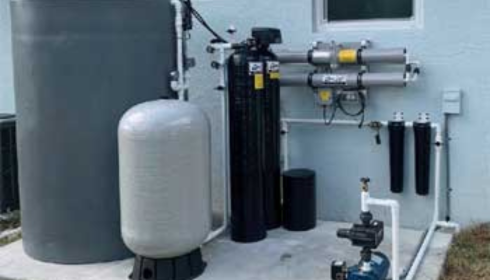
That’s partly why people are moving toward whole home water solutions instead of only filtering water at one faucet. These systems aim to improve water quality throughout the house, not just in the kitchen.
For larger households especially, having consistent water treatment across showers, sinks, and appliances often feels more practical in the long run. It creates a more balanced setup rather than fixing one issue while ignoring several others.
There’s No One-Size-Fits-All System
And honestly, that’s where some homeowners get overwhelmed. There are countless filtration products on the market now, each claiming to be the ultimate answer.
But water conditions vary enormously depending on location. One area may struggle with chlorine-heavy municipal water, while another deals with iron stains or sulfur smells from well systems. A setup that works beautifully for one home may not make much sense for another.
That’s why water testing matters more than flashy marketing.
A proper water analysis can reveal what’s actually present in your supply before you invest in expensive equipment. Sometimes the solution is simpler than expected. Other times, a layered approach combining softening, carbon filtration, and drinking water purification works best.
The important thing is making decisions based on real conditions rather than fear-driven advertising.
Small Improvements Add Up Over Time
What’s funny is that people rarely install better water systems for just one reason. Usually it starts with something small — spots on dishes, dry skin, expensive bottled water, appliance issues — and gradually becomes part of a larger desire to improve daily living at home.
And once those upgrades are in place, many homeowners say the benefits feel less like luxury and more like relief.
Showers become more enjoyable. Cleaning takes less effort. Drinking more water becomes easier because it simply tastes better. Even little things, like softer laundry or shinier faucets, quietly improve the rhythm of daily routines.
None of it transforms life overnight. But together, those small changes create a home environment that feels healthier, cleaner, and easier to maintain.
In a strange way, good water is one of those invisible comforts people don’t fully appreciate until they experience the difference for themselves.