

You want your home to feel safe, but you also don’t want it to feel like a prison. The goal is comfort plus security—not anxiety.
Good lighting is a gentle start. Well-lit entrances, staircases and corridors make it harder for someone to hide and easier for you to move around confidently at night. Motion-sensor lights near the main door or parking are a simple upgrade.
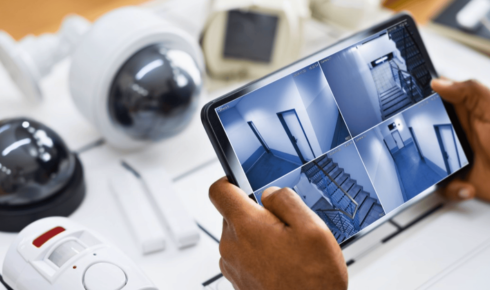
Inside, use peepholes, door chains or digital door cameras not as fear tools, but as filters. They let you decide who to open the door for. You don’t have to swing the main door wide each time the bell rings.
Organise emergency information. Keep important contacts—doctor, nearby hospital, security, trusted neighbours—saved clearly on your phone and written somewhere visible. In a stressful moment, you don’t want to hunt for numbers.
Teach kids calm safety habits rather than scaring them: don’t share address or routines with strangers, don’t open doors, and always tell a parent where they’re going inside the building.
Most importantly, keep communication open within the family. If something feels off—like repeated unknown calls, strange visitors, or lights tampered with—everyone should feel comfortable speaking up.
A home feels safest when people inside are alert but not scared, and systems are in place but not suffocating.