
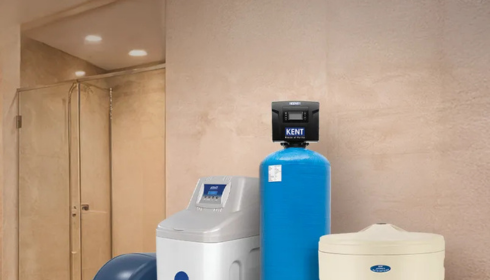

There’s something oddly comforting about turning on a tap and not having to think twice about the water coming out of it. Most of us don’t really notice water quality until something feels off — maybe the dishes start coming out cloudy, your skin feels dry after a shower, or the coffee tastes a little strange even though you bought the same beans as always.
That’s usually when homeowners begin paying closer attention to what’s flowing through their pipes every day.
The truth is, water conditions vary wildly depending on where you live. Some homes deal with hard minerals, others struggle with chlorine-heavy municipal supplies, and rural properties often face completely different issues tied to wells or sediment. No single setup fixes everything, which is why people are becoming more thoughtful about the systems they install instead of just grabbing the cheapest filter online and hoping for the best.
Hard Water Has a Way of Sneaking Into Everyday Life
A lot of households live with hard water for years without realizing how much damage it quietly causes. Faucets collect stubborn white buildup, soap refuses to lather properly, and appliances slowly lose efficiency. It’s subtle at first. Then suddenly your water heater isn’t performing the same way it used to.
That’s where water softeners tend to make a noticeable difference. These systems are designed to reduce the calcium and magnesium minerals that create hard water issues in the first place. And honestly, once people switch, they often mention the same little details — softer laundry, smoother skin, cleaner glassware, even less time spent scrubbing bathroom fixtures.
It’s not exactly glamorous technology, but it solves a surprisingly frustrating problem.
Some homeowners hesitate because they assume installation will be complicated or expensive. In reality, many modern systems are far more efficient and compact than older models. The maintenance isn’t usually overwhelming either, especially compared to the long-term wear hard water can cause inside plumbing systems and appliances.
Drinking Water Is a Different Conversation
Now here’s where things get interesting. Water that’s technically “safe” to drink doesn’t always taste good. That distinction matters more than people think.
Municipal treatment facilities do important work, of course, but many households still notice lingering chlorine flavors, sediment, or odd odors. In some regions, concerns about contaminants like lead, nitrates, or dissolved solids have pushed families to look for more advanced purification methods.
That’s one reason reverse osmosis systems continue to grow in popularity. These setups use multi-stage filtration to remove an impressive range of impurities from drinking water. The result is usually cleaner-tasting water that feels noticeably lighter and fresher.
And yes, people often buy these systems for health reasons, but convenience plays a role too. Once filtered water is available directly from the kitchen tap, many households cut back significantly on bottled water purchases. Less plastic piling up in the garage. Fewer cases to haul in from the store. It’s one of those upgrades that quietly changes routines without demanding much attention afterward.
There’s also a certain peace of mind involved. Even if your local water supply meets regulatory standards, having an additional layer of filtration simply makes some homeowners feel more comfortable — especially families with young children.
Every Home Has Its Own Water Personality
That sounds strange, but it’s true.
Two homes sitting on the same street can experience different water pressure, mineral levels, or plumbing conditions depending on pipe age and infrastructure. That’s why the best water treatment approach usually starts with testing instead of guessing.
Some people only need a drinking water filter at the kitchen sink. Others may benefit from sediment filters, UV purification, or softening systems working together. The goal isn’t to install the biggest setup possible. It’s about solving the actual issues affecting the home.
That’s where professional guidance becomes valuable. Water treatment companies often perform detailed analyses that identify exactly what’s present in the water supply before recommending equipment. It prevents homeowners from overspending on unnecessary systems or overlooking hidden problems entirely.
Thinking Beyond the Kitchen Sink
One thing more homeowners are starting to realize is that water quality affects more than drinking water alone.
It influences showers, laundry, dishwashing, plumbing longevity, and even energy efficiency. Hard water buildup inside appliances forces them to work harder over time. Sediment can reduce fixture performance. Poor-quality water sometimes affects fabrics and hair care products in ways people don’t immediately connect back to the source.
That broader perspective has led many families to explore whole home water solutions instead of isolated point-of-use filters. These systems treat water as it enters the house, helping improve consistency across every faucet, shower, and appliance.
For larger households especially, that can make daily life feel just a little smoother. Not dramatic. Just better in dozens of small ways that add up over time.
Clean Water Is One of Those Investments You Feel Daily
Unlike flashy renovations, water treatment systems rarely become the centerpiece of a home tour. Nobody walks guests into the garage to admire a filtration tank.
But homeowners feel the results constantly.
You notice it in softer towels, clearer ice cubes, cleaner dishes, and showers that leave your skin less irritated. You notice fewer plumbing headaches and less buildup around fixtures. Over time, those little improvements start to feel normal — which is probably the strongest sign the system is doing its job well.
And maybe that’s the real point. Good water shouldn’t demand attention every day. It should quietly support the rhythm of life in the background, reliable and uncomplicated, without becoming another thing you have to worry about.