
HomeDecoratingHow to Style Open...

How to Style Open Shelves Without Making Them Look Messy

Open shelves look great in photos but can quickly become clutter traps in real homes. The trick is to balance beauty and practicality.

First, decide the main purpose of the shelf—is it mostly for display, mostly for storage, or a mix? If it’s pure storage, consider baskets and boxes to hide small, ugly items. If it’s display, limit how many things you put out.

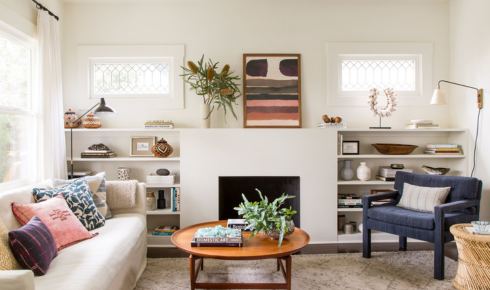
Use a mix of heights and shapes—books, a plant, a few framed photos, a bowl or two, maybe a candle. Group items in small clusters instead of lining them up like a shop.

Leave some white space. Every inch doesn’t need to be filled. Empty space around objects lets them stand out and stops the shelf from feeling chaotic.

Stick to a loose colour palette. If everything is different colours, textures and sizes, your eye gets tired. Repeating tones—wood, whites, a bit of black, one accent colour—brings harmony.

And remember: shelves aren’t permanent. Rotate items every few months and give things a break. That way your space feels fresh without constant shopping.

Most Popular

More from Author

How to Plan a Room Layout So It Works for Your Daily Routine

Before buying furniture or decor, it’s worth asking a simple question:...

Designing a Home That Is Easy to Live In, Not Just Pretty in Photos

A home that looks great in pictures isn’t always comfortable to...

Decorating on a Budget: Small Changes That Make a Home Feel New

You don’t need a designer budget to refresh your home. Often,...

Simple Paint Ideas That Can Change a Room Without Full Renovation

Paint is still the cheapest makeover tool you have. You don’t...

Read Now

How to Plan a Room Layout So It Works for Your Daily Routine

Before buying furniture or decor, it’s worth asking a simple question: “What actually happens in this room most of the time?” The layout should support your real routine, not an imaginary one. If the living room is where kids study, you work, and the family watches TV, then...

Designing a Home That Is Easy to Live In, Not Just Pretty in Photos

A home that looks great in pictures isn’t always comfortable to live in. Real-life design is about how spaces feel and function every single day, not just during a photo shoot. Think about walking paths first. Can you move from room to room without squeezing past furniture? Are...

Decorating on a Budget: Small Changes That Make a Home Feel New

You don’t need a designer budget to refresh your home. Often, it’s about using what you have in better ways and adding a few well-chosen pieces instead of buying everything new. Start by decluttering. Removing tired, broken or meaningless items gives breathing space to the pieces you actually...

Simple Paint Ideas That Can Change a Room Without Full Renovation

Paint is still the cheapest makeover tool you have. You don’t need to repaint the entire house to see a big difference—just be smart about where and how you use colour. One accent wall behind the bed or sofa can change the whole mood of a room. A...

How Often Should You Really Repaint Different Parts of Your Home?

There’s no one-size-fits-all repainting schedule, but some general patterns help. High-use and high-touch areas need attention sooner than quiet corners. Living rooms and common areas usually benefit from repainting every 3–5 years. These spaces see more traffic, fingerprints, furniture bumps and decor changes. A fresh coat makes the...

Easy Ways to Protect Your Existing Floor Without Replacing It

If your floor is old but still basically fine, you may not want the cost and mess of replacing it. Instead, you can protect and upgrade it with a few simple tricks. Area rugs are your best friends. Place them in high-traffic areas—living room paths, near beds, at...

Choosing the Right Flooring for Homes with Kids and Pets

Kids and pets bring a lot of life—and a lot of wear—to a home. When choosing flooring, think less about showroom gloss and more about how it will handle scratches, spills and rough use. Very glossy tiles may look fancy but can be slippery, especially when wet. For...

Simple Roof and Terrace Checks to Do Before Monsoon Season Starts

Monsoon exposes every weakness in a building’s envelope, especially the roof. A few checks before the rains arrive can save you from leaks and emergency repairs later. Look for visible cracks on the terrace surface, especially near joints, parapet walls and around water tanks. Hairline cracks might not...

Why Top-Floor Residents Should Care More About Roof Condition

If you live on the top floor, the roof or terrace above you is like an extra ceiling. If it’s in bad condition, your flat will be the first to suffer. Cracks in the roof slab, poor waterproofing or clogged drainage can lead to seepage. You might see...

Renting vs. Buying an Apartment: Practical Points for Real Families

The rent-vs-buy debate isn’t just about “ownership is better” or “rent is freedom.” For real families, it comes down to cash flow, stability and lifestyle. Renting gives flexibility. If your job situation, city or family needs may change in a few years, renting lets you move without the...

What to Look for Inside the Flat (Not Just on the Brochure) Before Buying

Brochures talk about clubhouses, views and amenities. All that is nice, but you live inside the flat, not inside the brochure. So when you visit, pay attention to details that will affect your daily life. Check room sizes honestly. Can your current bed, sofa and cupboards fit without...

Low-Maintenance Balcony Plants for People Who Forget to Water

Not everyone has the time or habit to pamper plants daily. If you know you sometimes forget watering, it’s better to choose tough, forgiving plants instead of high-maintenance divas. Succulents like jade, haworthia and aloe vera handle missed waterings much better than thirsty flowers. They store water in...