
Homehome serviceWhy Commercial Spaces Need...

Why Commercial Spaces Need Advanced Wastewater Pumping Systems

Commercial spaces such as restaurants, hotels, offices, and healthcare facilities operate on efficiency, hygiene, and seamless functionality. One critical yet often overlooked aspect of these operations is wastewater management. Unlike residential setups, commercial establishments generate significantly higher volumes of wastewater, making traditional plumbing systems insufficient in many cases.

To meet these demands, advanced wastewater pumping systems have become essential for modern commercial infrastructure.


The Unique Challenges of Commercial Wastewater Management

Commercial environments face a distinct set of challenges when it comes to handling wastewater:

  • High Volume Output: Restaurants, hotels, and offices produce large quantities of wastewater daily.
  • Complex Layouts: Plumbing systems often need to cover large areas or multiple floors.
  • Distance from Drainage Lines: Fixtures may be located far from the main sewer connection.
  • Strict Hygiene Standards: Industries like healthcare and hospitality must maintain high sanitation levels.

Traditional gravity-based systems often struggle to meet these requirements efficiently.


Limitations of Conventional Plumbing Systems

Conventional plumbing relies on gravity to move wastewater through large pipes. While this works in simple layouts, it becomes inefficient in complex commercial spaces.

Some key limitations include:

  • Restricted placement of kitchens and washrooms
  • Expensive and disruptive installation processes
  • Difficulty in handling high wastewater loads
  • Increased risk of blockages and maintenance issues

These challenges highlight the need for more advanced and flexible solutions.


The Role of Advanced Wastewater Pumping Systems

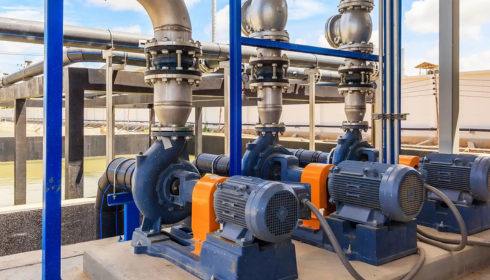
Modern wastewater pumping systems are specifically designed to overcome the limitations of traditional plumbing. They allow wastewater to be transported efficiently regardless of distance or elevation.

Solutions from SFA Pumps India are engineered to handle the demanding requirements of commercial environments. These systems ensure smooth wastewater flow, even in complex building layouts.


Key Benefits for Commercial Spaces

1. Flexibility in Design and Layout

Advanced systems allow businesses to install kitchens, restrooms, and service areas wherever needed, without being restricted by drainage locations.

2. Efficient Handling of High Volumes

Commercial establishments generate heavy wastewater loads. High-capacity systems are built to handle continuous usage without performance issues.

3. Improved Hygiene and Safety

Proper wastewater management helps prevent contamination, foul odors, and unsanitary conditions—critical for industries like healthcare and hospitality.

4. Cost and Time Savings

Modern systems reduce the need for extensive construction work, lowering installation costs and minimizing downtime during setup or renovation.

5. Reliability and Durability

Advanced systems are designed for long-term use, ensuring consistent performance with minimal maintenance.


Ideal Solution for High-Demand Applications

For commercial environments that require powerful and reliable wastewater management, systems like the Sanicubic 2 VX lifting station are an excellent choice.

This type of system is designed to:

  • Handle large volumes of wastewater
  • Operate efficiently under continuous usage
  • Support multiple fixtures simultaneously

Its robust design makes it suitable for restaurants, hotels, office buildings, and industrial setups.


Applications Across Industries

Advanced wastewater pumping systems are widely used in:

  • Restaurants and Cafés: Managing kitchen waste and grease-heavy water
  • Hotels and Resorts: Ensuring smooth operation across multiple rooms and facilities
  • Hospitals and Clinics: Maintaining strict hygiene and sanitation standards
  • Office Buildings: Supporting restrooms and pantry areas across floors
  • Retail Spaces: Enabling flexible store layouts with proper drainage

These systems provide the reliability and efficiency required in high-performance environments.


Future Trends in Commercial Wastewater Management

As commercial spaces continue to evolve, wastewater management solutions are becoming more advanced and intelligent. Future trends include:

  • Smart monitoring systems for maintenance alerts
  • Energy-efficient pumping technologies
  • Compact designs for space optimization
  • Enhanced durability for long-term use

Businesses that invest in modern systems today will be better prepared for future demands.


Conclusion

Efficient wastewater management is a critical component of successful commercial operations. Traditional plumbing systems often fall short in meeting the demands of modern businesses, making advanced pumping solutions a necessity.

By adopting innovative technologies, commercial spaces can improve efficiency, maintain hygiene, and reduce operational costs. Advanced wastewater systems not only solve existing challenges but also provide the flexibility needed for future growth.

Most Popular

More from Author

Senior Junk Removal Assistance Phoenix for Easy Cleanouts

Managing clutter and unwanted items can become increasingly difficult with age....

How to Plan a Room Layout So It Works for Your Daily Routine

Before buying furniture or decor, it’s worth asking a simple question:...

Designing a Home That Is Easy to Live In, Not Just Pretty in Photos

A home that looks great in pictures isn’t always comfortable to...

How to Style Open Shelves Without Making Them Look Messy

Open shelves look great in photos but can quickly become clutter...

Read Now

Senior Junk Removal Assistance Phoenix for Easy Cleanouts

Managing clutter and unwanted items can become increasingly difficult with age. That’s why senior junk removal assistance Phoenix services are becoming an essential solution for older adults and families who need reliable, stress-free property cleanouts. Whether downsizing, preparing for relocation, or simply creating a safer living space,...

How to Plan a Room Layout So It Works for Your Daily Routine

Before buying furniture or decor, it’s worth asking a simple question: “What actually happens in this room most of the time?” The layout should support your real routine, not an imaginary one. If the living room is where kids study, you work, and the family watches TV, then...

Designing a Home That Is Easy to Live In, Not Just Pretty in Photos

A home that looks great in pictures isn’t always comfortable to live in. Real-life design is about how spaces feel and function every single day, not just during a photo shoot. Think about walking paths first. Can you move from room to room without squeezing past furniture? Are...

How to Style Open Shelves Without Making Them Look Messy

Open shelves look great in photos but can quickly become clutter traps in real homes. The trick is to balance beauty and practicality. First, decide the main purpose of the shelf—is it mostly for display, mostly for storage, or a mix? If it’s pure storage, consider baskets and...

Decorating on a Budget: Small Changes That Make a Home Feel New

You don’t need a designer budget to refresh your home. Often, it’s about using what you have in better ways and adding a few well-chosen pieces instead of buying everything new. Start by decluttering. Removing tired, broken or meaningless items gives breathing space to the pieces you actually...

Simple Paint Ideas That Can Change a Room Without Full Renovation

Paint is still the cheapest makeover tool you have. You don’t need to repaint the entire house to see a big difference—just be smart about where and how you use colour. One accent wall behind the bed or sofa can change the whole mood of a room. A...

How Often Should You Really Repaint Different Parts of Your Home?

There’s no one-size-fits-all repainting schedule, but some general patterns help. High-use and high-touch areas need attention sooner than quiet corners. Living rooms and common areas usually benefit from repainting every 3–5 years. These spaces see more traffic, fingerprints, furniture bumps and decor changes. A fresh coat makes the...

Easy Ways to Protect Your Existing Floor Without Replacing It

If your floor is old but still basically fine, you may not want the cost and mess of replacing it. Instead, you can protect and upgrade it with a few simple tricks. Area rugs are your best friends. Place them in high-traffic areas—living room paths, near beds, at...

Choosing the Right Flooring for Homes with Kids and Pets

Kids and pets bring a lot of life—and a lot of wear—to a home. When choosing flooring, think less about showroom gloss and more about how it will handle scratches, spills and rough use. Very glossy tiles may look fancy but can be slippery, especially when wet. For...

Simple Roof and Terrace Checks to Do Before Monsoon Season Starts

Monsoon exposes every weakness in a building’s envelope, especially the roof. A few checks before the rains arrive can save you from leaks and emergency repairs later. Look for visible cracks on the terrace surface, especially near joints, parapet walls and around water tanks. Hairline cracks might not...

Why Top-Floor Residents Should Care More About Roof Condition

If you live on the top floor, the roof or terrace above you is like an extra ceiling. If it’s in bad condition, your flat will be the first to suffer. Cracks in the roof slab, poor waterproofing or clogged drainage can lead to seepage. You might see...

Renting vs. Buying an Apartment: Practical Points for Real Families

The rent-vs-buy debate isn’t just about “ownership is better” or “rent is freedom.” For real families, it comes down to cash flow, stability and lifestyle. Renting gives flexibility. If your job situation, city or family needs may change in a few years, renting lets you move without the...