

There’s a funny thing about water — most people don’t really think about it until something feels off. Maybe the shower leaves your skin dry. Maybe the coffee tastes strange some mornings. Or maybe the dishes come out cloudy even after a full wash cycle. Little annoyances pile up quietly, and before long, the whole house feels affected by something you can’t quite see.
Clean water has become one of those invisible comforts we only notice when it’s missing. And honestly, with aging infrastructure, mineral-heavy groundwater, and changing environmental conditions, homeowners are paying more attention than ever to what’s actually flowing through their pipes.
The good news is that improving water quality at home no longer feels overly technical or intimidating. Modern filtration solutions are smarter, more efficient, and surprisingly tailored to everyday living.
The Hidden Impact of Hard Water
A lot of households deal with hard water without realizing how much it affects daily life. Hard water simply means there are high levels of dissolved minerals — mostly calcium and magnesium — in the supply. It’s not usually dangerous, but it can wear things down over time.
Soap doesn’t lather properly. Towels lose softness. Faucets collect chalky buildup. Even appliances like dishwashers and washing machines tend to age faster under constant mineral exposure.
That’s why many homeowners eventually start looking into water softeners. Not because they want some luxury upgrade, but because they’re tired of replacing fixtures, scrubbing stains, or dealing with itchy skin after every shower.
And strangely enough, once softened water becomes part of daily life, people notice it almost immediately. Hair feels different. Laundry comes out cleaner. Even tea and coffee can taste smoother. It’s subtle at first, then suddenly obvious.
Drinking Water Deserves Extra Attention
People often assume that if tap water is legally “safe,” it must automatically be ideal. But safety standards and taste standards are two completely different conversations.
Municipal water treatment does an important job, of course. Still, traces of chlorine, sediment, heavy minerals, or contaminants can remain by the time water reaches a home. In older neighborhoods especially, pipes themselves may affect quality before the water ever reaches the kitchen sink.
That’s where modern drinking water systems come into play.
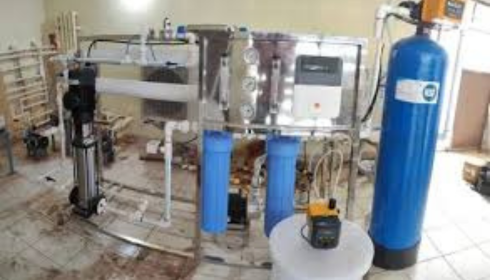
Many families now rely on reverse osmosis systems because they offer a deeper level of purification than standard filters. These systems push water through an ultra-fine membrane capable of removing a wide range of unwanted particles, including dissolved solids and certain contaminants that ordinary filters might miss.
The result isn’t just cleaner water. It’s water that tastes noticeably fresher.
People sometimes underestimate how much water flavor influences everyday habits. When drinking water tastes crisp and clean, families naturally drink more of it. That alone can improve routines in ways nobody really expects.
One Filter Isn’t Always Enough
A simple pitcher filter may help with taste, but it only treats a small amount of water at a time. The bigger issue is that water touches nearly every corner of the home — showers, sinks, laundry, cooking, cleaning, appliances, even the ice maker.
That broader concern is why some homeowners invest in whole house water filtration systems instead of relying on single-point solutions.
These systems work at the entry point of the home, filtering water before it reaches faucets or appliances. Depending on the setup, they can reduce sediment, chlorine, odors, rust particles, and other impurities throughout the entire plumbing network.
And honestly, the convenience factor matters too.
There’s something reassuring about knowing every tap in the house is providing cleaner water without needing separate attachments everywhere. You stop thinking about it constantly. The system simply becomes part of the home’s rhythm.
Choosing the Right Setup Isn’t About Trends
One mistake people make is assuming there’s one “best” filtration solution for everybody. Water conditions vary wildly depending on region, property age, and local supply sources.
A rural home pulling from well water has very different needs than a downtown apartment connected to city infrastructure. Some households mainly struggle with hardness. Others deal with chlorine odor or sediment. Some simply want better-tasting drinking water.
That’s why proper testing matters before buying anything.
A water test gives clarity. Instead of guessing, homeowners can identify what’s actually present in their supply and choose a system that solves real problems instead of imagined ones.
Honestly, it saves money too. Overbuying unnecessary equipment happens more often than people think.
Water Quality and Everyday Comfort
There’s a practical side to water treatment, obviously. Cleaner pipes, longer-lasting appliances, reduced maintenance costs — all important.
But there’s also a comfort side that’s harder to quantify.
Good water changes small moments throughout the day. Showers feel more relaxing. Cooking becomes easier. Ice cubes stop carrying odd flavors. Skin feels calmer during dry seasons. It’s not dramatic in a movie-scene kind of way, but over time, it genuinely improves how a home feels.
And maybe that’s the real point.
Most homeowners aren’t searching for perfection. They just want consistency. Reliable water. Cleaner taste. Less hassle. A house that functions smoothly without constant little frustrations.
In a world filled with complicated upgrades and expensive renovations, improving water quality is one of the few changes that quietly impacts almost everything without demanding attention afterward.