
When people think about improving their homes, they often picture exciting projects like renovating a kitchen, updating a bathroom, or transforming the backyard. Those upgrades certainly have their place, but they’re not always the changes that make the biggest difference in everyday life.
More often than not, it’s the quiet, routine tasks that truly shape how a home feels. The things that rarely make it onto social media—checking safety devices, sealing small drafts, replacing worn fixtures, or fixing little annoyances before they become expensive problems. These aren’t glamorous jobs, yet they’re the reason many homes stay comfortable, efficient, and dependable year after year.
Homeownership isn’t really about waiting for something to break. It’s about paying attention before it does.
Every Home Changes a Little Over Time
Even a brand-new house begins to age from the day someone moves in.
Doors settle, paint picks up small marks, weather affects exterior materials, and the systems hidden behind the walls quietly work around the clock. Heating and cooling equipment runs through changing seasons, lights switch on and off thousands of times each year, and insulation protects the home from whatever the weather decides to bring.
None of that means something is wrong.
It’s simply the natural life cycle of a house.
The difference between costly repairs and affordable upkeep often comes down to noticing small issues while they’re still easy to fix.
Safety Starts With Simple Checks
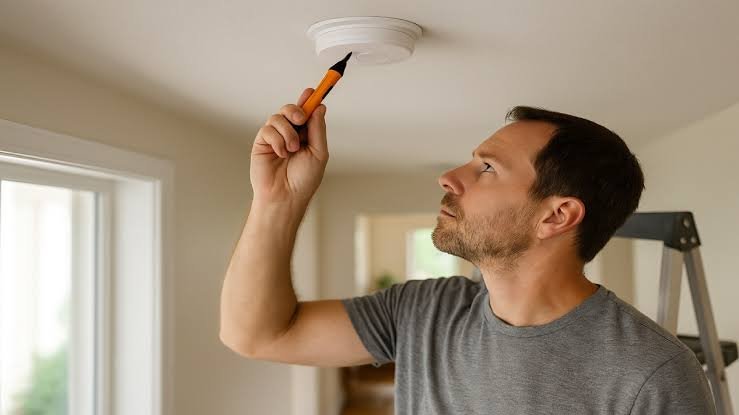
There are few household devices more important—and easier to overlook—than a smoke detector.
Because it usually sits silently on the ceiling, many homeowners don’t think about it until the battery begins chirping in the middle of the night. Unfortunately, waiting that long isn’t the best approach.
Testing smoke detectors regularly, replacing batteries when recommended, and ensuring units are updated according to manufacturer guidelines are among the simplest ways to improve household safety.
It only takes a few minutes, yet those small efforts can provide enormous peace of mind.
Some maintenance tasks protect property. Others help protect the people living inside it.
Good Lighting Does More Than Brighten a Room
Lighting has a surprising effect on how a home feels.
A well-lit kitchen encourages family dinners. Comfortable reading lamps make quiet evenings more relaxing. Outdoor lights improve visibility while helping visitors feel welcome.
Over time, however, fixtures naturally wear down. Bulbs fail, wiring connections loosen, and exterior lighting faces constant exposure to changing weather conditions.
Routine lighting maintenance helps ensure fixtures remain safe, reliable, and energy efficient. Replacing aging bulbs with modern LED options, cleaning fixtures, and addressing flickering lights before they worsen all contribute to a brighter, more comfortable living environment.
It’s one of those improvements homeowners notice every single day without giving it much thought.
Tiny Drafts Can Have a Big Impact
Many people assume rising energy bills automatically mean it’s time to replace heating or cooling equipment.
Sometimes the solution is much simpler.
Worn weather stripping around doors and windows allows conditioned air to escape while letting outdoor temperatures slowly work their way inside. These small gaps may seem insignificant, yet they force HVAC systems to work harder throughout the year.
Replacing damaged weather stripping improves comfort almost immediately. Rooms maintain more consistent temperatures, drafts become less noticeable, and heating and cooling systems often operate more efficiently.
For such a modest project, the long-term benefits can be surprisingly impressive.
Routine Maintenance Is Easier Than Emergency Repairs
Most expensive household repairs don’t appear overnight.
They usually begin as something much smaller.
A loose hinge becomes a damaged cabinet door. A tiny leak turns into water damage. A neglected exterior crack allows moisture to enter. Dust accumulates inside important systems until performance begins to decline.
By the time these issues become obvious, they’ve often grown into projects requiring considerably more time and money.
Regular inspections help interrupt that cycle before problems gain momentum.
Building a Seasonal Routine
One of the easiest ways to stay ahead of home maintenance is by dividing tasks throughout the year.
Spring is perfect for checking exterior caulking, inspecting roofing after winter weather, cleaning gutters, and servicing cooling systems. Summer often becomes the season for painting, landscaping, and outdoor repairs.
As temperatures begin dropping, fall offers an opportunity to inspect weather seals, replace HVAC filters, test smoke detectors, and prepare heating equipment before winter arrives.
Breaking maintenance into smaller seasonal checklists keeps everything manageable while reducing the likelihood of forgotten repairs.
Consistency always beats catching up.
Your Home Rewards Attention
It’s interesting how homes respond to regular care.
Doors continue closing smoothly. Windows seal tightly. Appliances operate more efficiently. Utility bills stay more predictable, and unexpected repairs become far less common.
None of these benefits appear overnight.
Instead, they build gradually through dozens of small decisions made throughout the year.
Much like maintaining a vehicle, a little preventive care usually costs less than major repairs later.
Knowing When to Call a Professional
While many maintenance tasks fit comfortably into a weekend project, others require experience, specialized tools, or technical knowledge.
Electrical issues, structural concerns, plumbing leaks, roofing repairs, and HVAC servicing often benefit from professional attention. Skilled technicians can identify hidden problems before they become serious while completing repairs safely and efficiently.
Knowing your own limits isn’t a weakness.
It’s simply another part of responsible homeownership.
Professional expertise often prevents costly mistakes while extending the life of important systems.
A Comfortable Home Is Built One Small Task at a Time
Creating a welcoming home isn’t only about expensive renovations or eye-catching design.
It’s also about the quieter responsibilities that happen behind the scenes.
Testing safety devices, replacing worn seals, maintaining lighting, checking heating systems, and responding to small concerns before they grow all contribute to a home that feels dependable every day.
These simple habits rarely receive much attention, yet they protect one of life’s biggest investments while making daily life noticeably more comfortable.
In the end, successful homeownership isn’t defined by avoiding every repair. It’s defined by staying engaged with the little things that matter. Because when small maintenance becomes part of your routine, your home rewards you with greater comfort, improved efficiency, enhanced safety, and fewer unwelcome surprises along the way. And that’s a return worth investing in, year after year.