
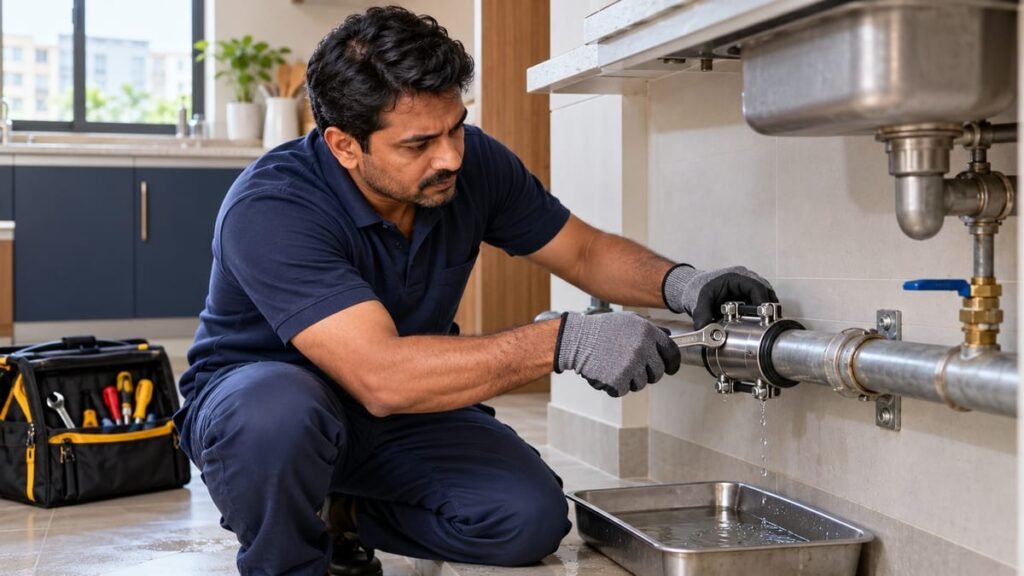
A plumbing problem has a way of showing up at the worst possible time. You might be getting ready for work when the bathroom sink refuses to drain, or preparing dinner when water starts pooling beneath the kitchen cabinet. Sometimes the warning signs are subtle: a tap that drips at night, a toilet that keeps running, or a water bill that seems unusually high. Whatever the problem looks like, dealing with it early is usually easier than waiting for it to become impossible to ignore.
Plumbing is one of those parts of a property that tends to work quietly in the background. We expect clean water when we turn on a tap and reliable drainage when we wash dishes or take a shower. Keeping that system in good condition takes a little attention, sensible maintenance, and help from a qualified professional when something goes wrong.
Small Warning Signs Deserve Attention
Not every plumbing issue is an emergency. A slow-draining sink may be manageable for a short time, while a burst pipe requires immediate action. The challenge is recognizing when an apparently minor problem could indicate something more serious.
Start by paying attention to changes around the house. Water stains on ceilings, peeling paint near pipes, persistent damp smells, and unexplained drops in water pressure can all point to plumbing trouble. None of these signs confirms a particular fault on its own, but ignoring them rarely makes the underlying issue disappear.
A running toilet is another common example. It may sound like a minor annoyance, yet a faulty valve or worn flapper can waste a surprising amount of water over time. Similarly, a dripping tap might be caused by a worn washer or cartridge that can be replaced without much disruption.
The useful habit is to investigate rather than guess. If a problem keeps returning after a simple fix, arrange an inspection. Repeated blockages, recurring leaks, or fluctuating water pressure may require a closer look at the wider plumbing system.
Understanding the Cost Before Work Begins
For many property owners, uncertainty about cost is almost as stressful as the plumbing problem itself. Nobody wants to approve a repair without understanding what it involves, especially when household budgets are already stretched.
Requesting free estimates can help you compare proposed work and decide which option fits your needs. Before accepting an estimate, check whether it covers labor, materials, replacement parts, and any additional services that may be necessary. A clear estimate should also explain what the plumber believes is causing the problem and whether the recommended repair is intended as a temporary fix or a longer-term solution.
The lowest quote isn’t always the best value. One contractor may suggest replacing a small component, while another may recommend more extensive work because the system shows signs of broader wear. Ask both to explain their reasoning. You don’t need to know every plumbing term, but you should understand why a particular repair is being proposed.
It is also sensible to ask what happens if the plumber discovers additional damage once work begins. Hidden leaks and deteriorated pipes can be difficult to assess fully before an area is opened. Knowing how extra costs will be communicated helps prevent unpleasant surprises.
When a Plumbing Problem Needs Immediate Help
Some situations simply cannot wait for a convenient appointment. A burst pipe, sewage backing into a property, a major leak, or a water heater leaking heavily may cause significant damage if left unattended. In a commercial building, even a relatively small failure can interrupt normal operations.
During plumbing emergencies, the first priority is safety and limiting further damage. If water is flowing from a damaged pipe, shut off the main supply if you can reach the valve safely. Keep children and pets away from contaminated water, and avoid contact with electrical equipment in wet areas. If water is near electrical outlets or wiring, don’t enter the affected space or attempt to operate switches.
Once the immediate risk is under control, contact a qualified plumber and describe what has happened. Explain where the water is coming from, whether the flow is continuing, and what steps you have already taken. These details can help the professional assess the urgency and prepare for the visit.
Not every leak looks dramatic at first. A slow leak behind a wall can cause damage over time without leaving a large puddle on the floor. If you notice persistent moisture or a sudden, unexplained rise in water use, don’t assume the problem will resolve itself.
Why the Right Diagnosis Matters
A repair is only as useful as the diagnosis behind it. Replacing a blocked drain trap may solve a simple clog, but it won’t fix a damaged sewer line farther beneath the property. Tightening a connection might stop a small leak, while corrosion affecting several pipes could point to a larger issue.
Reliable expert plumbing solutions begin with identifying the cause rather than treating only the visible symptom. Depending on the situation, a plumber may inspect fixtures, test water pressure, examine accessible pipework, or use specialist equipment to investigate hidden drains. The appropriate method depends on the property’s layout and the symptoms being reported.
This matters particularly when problems repeat. If the same drain blocks every few weeks, ask why it keeps happening. Grease and hair may be contributing, but the cause could also involve an obstruction deeper in the line, pipe damage, or an unsuitable pipe slope. Clearing the blockage may offer temporary relief, but understanding the reason behind it can prevent repeated callouts.
A good professional should explain the findings in straightforward language and outline the practical options. You should feel comfortable asking questions, requesting clarification, and discussing the expected benefits and limitations of each repair.
Choosing a Plumber You Can Trust
Finding a reliable plumber takes more than searching for the nearest available service. Look for the appropriate licensing, insurance, and qualifications required in your area. These requirements vary by location and by the type of work being performed, so check them before approving major installations or renovations.
Recommendations from neighbors and friends can be useful, especially when they describe the quality of the work rather than simply the final price. Online reviews may offer additional insight into punctuality, communication, cleanliness, and how a company handles complications.
Pay attention to the way a plumber discusses the job. Do they explain the likely cause? Are they clear about pricing and timing? Will they tell you when a repair is uncertain or when further inspection is needed? Honest communication is a good sign, particularly because plumbing work sometimes reveals unexpected conditions.
For larger projects, request a written scope of work and keep copies of invoices, warranties, and product information. These records can be helpful if a problem returns or if you need future maintenance.
Everyday Habits That Protect Your Plumbing
Good maintenance doesn’t have to take over your weekends. Avoid pouring cooking grease into kitchen drains, use suitable drain covers to catch hair, and keep wipes and other unsuitable items out of toilets. These small habits reduce the risk of clogs and unnecessary wear.
Check beneath sinks occasionally, look for damp patches around appliances, and learn where your main water shutoff valve is located. If your property has older plumbing, consider arranging a professional inspection to identify deteriorating components before they fail.
The same principle applies to water heaters, outdoor taps, and exposed pipes. Follow the manufacturer’s maintenance recommendations and seek professional help when you notice unusual noises, persistent leaks, or changes in performance.
Plumbing rarely demands attention when everything is working well, but that doesn’t mean it should be forgotten. A little observation, clear communication, and timely professional support can prevent many problems from becoming expensive disruptions. When you understand your options and know whom to call, even an unexpected repair becomes easier to manage—and your home or business can get back to normal with less stress.