
It’s funny how we tend to notice our homes only when something goes wrong. The shower loses pressure, the water smells a bit strange, the air conditioner struggles on the hottest afternoon of summer, or a small plumbing leak quietly becomes a much bigger headache. Until then, everything operates in the background, almost unnoticed.
The reality is that a comfortable home isn’t built around one system. Plumbing, water quality, and heating and cooling all work together every single day. When one of those systems falls behind, the others often feel the impact too. That’s why homeowners who take a whole-home approach usually end up saving money, avoiding stress, and enjoying a much more comfortable living environment.
Every House Has Its Own Personality
No two homes are exactly alike. Even houses built side by side can have completely different plumbing layouts, water conditions, insulation levels, or HVAC demands. Older homes may struggle with aging pipes, while newer homes often deal with hard water or modern equipment that requires regular maintenance.
That’s why it’s difficult to recommend a universal fix for every homeowner. The smartest improvements almost always begin with understanding how your particular home functions instead of assuming every situation is the same.
A little investigation today often prevents expensive repairs tomorrow.
Water Quality Affects More Than You Think
Many homeowners focus only on whether their drinking water tastes good. That’s important, of course, but water quality influences much more than what’s in your glass.
Hard water leaves mineral deposits inside pipes and appliances. Excess iron can stain sinks and laundry. Chlorine may affect taste and odor, while sediment can shorten the life of water-using equipment. Even something as simple as dry skin after a shower can sometimes be connected to the quality of the water flowing through your home.
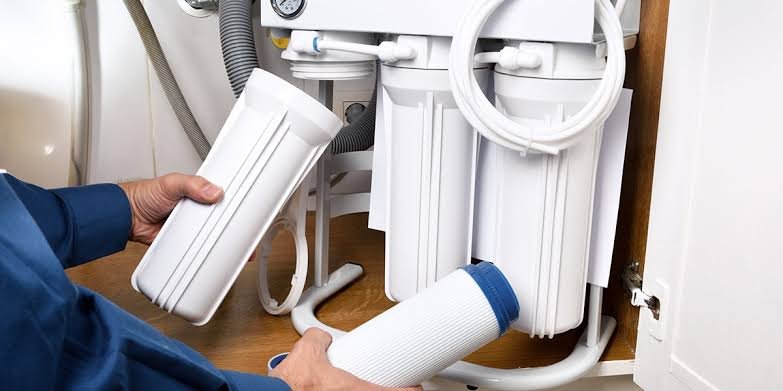
Instead of relying on guesswork, many homeowners choose customized water treatment solutions that are designed around their specific water conditions. Rather than installing generic equipment, these systems target actual problems identified within the home’s water supply, making treatment far more effective and often more economical over the long run.
It’s a practical approach because solving the real issue almost always works better than treating the symptoms.
Plumbing Is About More Than Fixing Leaks
Most people only call a plumber when water starts appearing somewhere it shouldn’t.
But plumbing maintenance is a lot like changing the oil in your vehicle. Waiting until something fails usually costs more than preventing the problem in the first place.
Routine inspections can uncover slow leaks, hidden corrosion, aging valves, worn fixtures, or drainage problems before they become emergencies. Small repairs performed early are generally much less disruptive than major water damage restoration later.
Reliable professional plumbing services don’t simply repair broken pipes. They help homeowners protect their investment by improving efficiency, maintaining water pressure, upgrading outdated fixtures, and ensuring the plumbing system continues operating safely for years to come.
It’s easy to underestimate how much we depend on plumbing until it suddenly stops working.
Indoor Comfort Depends on Healthy Air
Water isn’t the only thing flowing through your home every day. Air does too.
Your heating and cooling system quietly moves thousands of cubic feet of air throughout the house, regulating temperature while helping control humidity levels. When filters become clogged, ducts collect dust, or equipment receives little maintenance, efficiency gradually declines.
The change often happens so slowly that homeowners barely notice. Energy bills creep upward, certain rooms become warmer than others, and the system begins running longer than it once did.
Regular maintenance helps restore efficiency while extending equipment life. In many cases, simple seasonal servicing prevents unexpected breakdowns during periods of extreme weather.
Quality hvac services also improve indoor air quality by keeping airflow cleaner and ensuring heating and cooling equipment performs as efficiently as possible throughout the year.
Small Maintenance Habits Create Big Savings
Home maintenance rarely feels exciting. Replacing filters, flushing a water heater, checking plumbing fixtures, or scheduling annual inspections isn’t something most people look forward to.
Yet these small tasks often deliver surprisingly large benefits.
Water heaters operate more efficiently when sediment is removed. Air conditioners cool faster with clean coils. Plumbing systems experience fewer emergency repairs when small leaks are addressed promptly.
The cumulative savings can be significant over several years, especially when major appliance replacements are postponed because equipment has been properly maintained.
Think of it as protecting the systems you already own instead of constantly paying to replace them.
Why Professional Advice Matters
The internet has made home improvement information incredibly accessible. That’s both helpful and, occasionally, a little misleading.
One homeowner’s solution may not fit another home’s plumbing, water chemistry, or HVAC design. Advice that works perfectly in one region might create new problems somewhere else.
Experienced technicians evaluate the entire situation rather than focusing on isolated symptoms. They consider factors like water source, household size, appliance demands, climate, existing equipment, and long-term maintenance requirements before recommending improvements.
That personalized perspective often prevents costly mistakes and unnecessary upgrades.
Creating a Healthier Living Environment
Comfort isn’t only about temperature or convenience. It also involves the quality of the environment where your family spends most of its time.
Cleaner water supports better cooking, bathing, and cleaning. Efficient plumbing reduces waste while protecting the home’s structure. Well-maintained heating and cooling systems provide consistent temperatures and healthier indoor air.
None of these improvements are especially flashy. You won’t necessarily notice them every day.
Instead, you’ll notice what disappears.
Less mineral buildup on faucets.
Fewer plumbing surprises.
More comfortable rooms during extreme weather.
Lower energy consumption.
Appliances that continue working reliably year after year.
Those quiet improvements often have the greatest impact because they become part of everyday life.
Investing in Peace of Mind
Homeownership always comes with responsibilities, but it also offers opportunities to improve the way your home functions.
Rather than waiting for systems to fail, investing in preventative maintenance allows homeowners to stay ahead of problems. It creates greater confidence knowing the plumbing is reliable, the water is properly treated, and the heating and cooling system is prepared for changing seasons.
That’s not just good maintenance—it’s good financial planning as well.
Final Thoughts
A truly comfortable home isn’t created by one appliance or one renovation project. It’s the result of multiple systems working together quietly behind the scenes every day.
When clean water flows consistently, plumbing operates efficiently, and heating and cooling equipment performs reliably, daily life simply becomes easier. Showers feel better, appliances last longer, indoor air stays fresher, and unexpected repairs become far less common.
Taking care of these essential systems may not be the most glamorous part of homeownership, but it remains one of the smartest investments you can make. Over time, thoughtful maintenance and informed upgrades pay for themselves—not only through savings but through the comfort and peace of mind they bring to every member of the household.