
Water is one of those everyday essentials that rarely gets much attention. We use it without thinking—brewing coffee in the morning, filling a pet’s bowl, washing vegetables for dinner, or simply grabbing a glass from the kitchen sink. Because it’s always there, it’s easy to assume it’s doing exactly what it should.
But water quality isn’t identical from one neighborhood to the next, or even from one house to another. Plumbing materials, local water sources, aging infrastructure, and naturally occurring minerals all influence what eventually reaches your faucet. Sometimes those differences are obvious. Other times they’re completely invisible.
That’s why more homeowners are taking a closer look at the water they use every day. It isn’t about chasing perfection—it’s about making informed decisions that improve comfort, protect plumbing, and support healthier living.
Every Home Has Its Own Water Story
Two homes sitting side by side can experience very different water conditions.
One family may struggle with hard water that leaves white spots on dishes and mineral buildup around faucets. Another may notice an unpleasant odor after running the tap. Someone else may never see obvious signs at all but still deal with contaminants or dissolved minerals affecting taste and appliance performance.
Water travels a long journey before reaching your home. Along the way, it passes through treatment facilities, distribution lines, neighborhood infrastructure, and finally your own plumbing system. Every stage can influence its final quality.
That’s why there’s no universal answer when it comes to improving household water.
Why Better Water Matters Every Day
People often think cleaner water simply tastes better, but the benefits reach much further than that.
Water influences showers, laundry, cooking, cleaning, and even how long expensive appliances last. Hard water can leave scale inside water heaters, dishwashers, and washing machines. Certain minerals may reduce soap performance, leaving skin feeling dry and dishes looking cloudy.
When homeowners invest in water treatment solutions , they’re often surprised by how many small improvements they notice throughout the house.
Hair feels softer. Glassware looks cleaner. Soap rinses away more easily. Plumbing fixtures stay brighter with less effort.
Those little changes gradually become part of everyday comfort.
Guessing Isn’t the Best Way to Choose Treatment
One of the biggest mistakes homeowners make is buying filtration equipment based solely on advertisements or online reviews.
A system that works perfectly in one location may offer very little benefit somewhere else because every home has different water conditions.
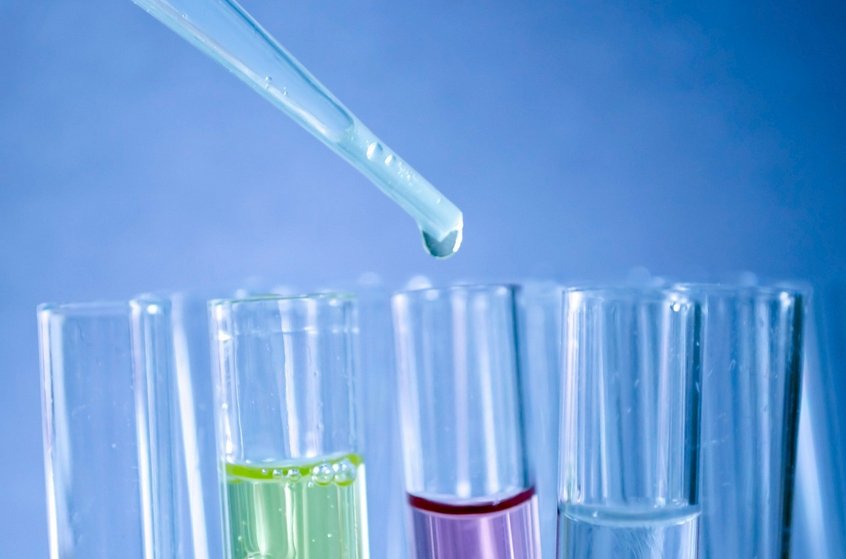
Starting with a free water test provides valuable information before spending money on equipment. Testing can identify hardness levels, chlorine, iron, sulfur, sediment, and other characteristics that influence both water quality and treatment recommendations.
Rather than relying on assumptions, homeowners gain clear information that helps them choose solutions designed specifically for their home’s needs.
That approach often saves money while delivering much better long-term results.
Small Warning Signs Shouldn’t Be Ignored
Sometimes water quality problems make themselves obvious.
Rust-colored stains around sinks, unpleasant odors, cloudy drinking water, or visible mineral buildup are difficult to miss.
Other times, the warning signs are much more subtle.
Maybe your dishwasher never seems to leave glasses completely clean. Perhaps your coffee tastes slightly different than expected, or your water heater requires repairs more frequently than it once did. Even dry skin after showering can sometimes be connected to hard water rather than the soap you’re using.
These aren’t always serious problems, but they’re worth investigating instead of simply accepting as normal.
Choosing the Right Treatment System
Once homeowners understand their water, selecting equipment becomes much easier.
Some homes benefit most from water softeners that reduce mineral buildup. Others require reverse osmosis systems for drinking water, while some households simply need sediment or carbon filtration.
Modern water filtration systems are available in many configurations because different water problems require different solutions. The goal isn’t to install the largest or most expensive system—it’s to choose equipment that addresses the specific conditions identified through testing.
A customized approach almost always performs better than a generic one-size-fits-all solution.
Better Water Protects More Than Plumbing
Improving water quality benefits more than pipes and appliances.
Families drink it every day. Children use it to brush their teeth. Pets depend on it. Fresh fruits and vegetables are rinsed with it before every meal.
Cleaner water also contributes to more enjoyable daily routines. Showers feel more refreshing, clothing stays softer after washing, and dishes come out looking cleaner without extra polishing.
Those improvements may seem small individually, but together they noticeably enhance everyday life.
Maintenance Keeps Everything Working Properly
Installing a water treatment system isn’t the end of the process.
Like any household equipment, filtration systems require occasional maintenance to continue performing efficiently. Replacing filters, replenishing softener salt when necessary, sanitizing equipment, and scheduling periodic inspections all help maintain consistent water quality.
Routine maintenance also gives professionals an opportunity to identify minor issues before they affect system performance.
A little preventative care helps protect your investment while ensuring your water continues meeting your household’s needs.
Long-Term Value Goes Beyond Monthly Savings
Many homeowners initially consider water treatment because they hope to reduce appliance wear or lower maintenance costs.
Those financial benefits certainly matter.
Reducing scale buildup can extend the lifespan of water heaters, dishwashers, coffee makers, and washing machines. Plumbing fixtures often require less cleaning, while soap and detergent work more effectively.
However, many families eventually discover the greatest benefit isn’t financial at all.
It’s the peace of mind that comes from knowing the water used throughout the home has been properly evaluated and treated based on its actual condition rather than guesswork.
Better Water Begins With Better Information
Improving household water doesn’t have to be complicated.
The smartest decisions usually begin with understanding what’s actually flowing through your plumbing before choosing any treatment equipment. Once you know your water’s unique characteristics, finding the right solution becomes much more straightforward.
Whether the goal is improving taste, protecting appliances, reducing hard water problems, or simply creating a healthier home, every successful water improvement project starts the same way—with knowledge.
When homeowners take the time to understand their water instead of making assumptions, they often discover improvements that benefit nearly every room in the house. Better water quietly supports daily life, making everything from cooking and cleaning to bathing and drinking just a little more enjoyable.
And sometimes, it’s those everyday improvements that end up making the biggest difference over time.