
Why Commercial Water Quality Matters
In a business, water often works behind the scenes. It fills coffee brewers, runs through dish machines, feeds ice makers, supports cleaning, heats, cools, rinses, and sometimes becomes part of the product itself. Nobody pays much attention when everything is working. But when water quality becomes a problem, the effects can show up fast.
Scale inside equipment. Strange taste in beverages. Cloudy glassware. Poor flow. More service calls than usual. These little disruptions can become expensive, especially in busy spaces where downtime is not an option.
Good water management is not just about comfort. For many businesses, it is part of staying efficient, consistent, and professional.
Every Business Has Different Water Needs
A restaurant does not use water the same way an office does. A hotel has different demands than a salon, café, healthcare facility, or manufacturing space. Usage volume, equipment type, local water conditions, and daily workflow all matter.
That is why custom commercial systems can be so valuable. Instead of forcing one standard solution into every building, the system is designed around actual water test results and business requirements.
This may include filtration, softening, scale control, reverse osmosis, carbon treatment, or a combination of technologies. The right system should solve real problems, not just look impressive on paper.
Installation Should Fit the Operation
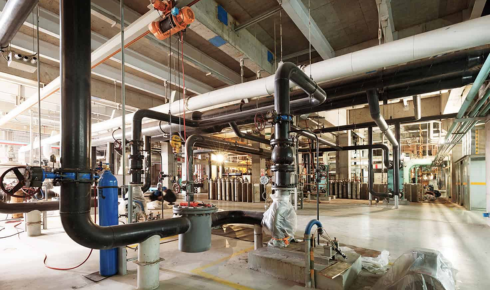
A commercial water system must do more than sit in a utility room. It needs to support normal business activity without creating pressure issues, access problems, or maintenance headaches.
A proper installation service considers flow rate, pipe size, equipment connections, drain access, service space, pressure, and future upkeep. These details may sound boring, but they determine whether the system performs smoothly day after day.
When installation is planned well, staff barely notice the system. It simply works in the background, helping equipment and water-dependent tasks stay reliable.
Maintenance Is Part of the Investment
Commercial systems often work harder than residential ones. Filters may need changing more often. Components may need inspection. Softeners may require salt. High-use equipment may need regular checks to prevent scale and flow problems.
Reliable ongoing maintenance helps keep water quality steady and reduces the risk of surprise failures. It also protects the money invested in equipment, plumbing, and the water system itself.
A neglected system can slowly lose performance. A maintained one keeps doing its job.
The Everyday Benefits Add Up
Better water can support many parts of a business. In food service, it may improve ice, coffee, tea, dishwashing results, and cooking consistency. In hotels, it can help with laundry, showers, fixtures, and guest experience. In offices, it can make drinking water more pleasant and reduce bottled water reliance.
For equipment-heavy operations, better water may help reduce buildup and wear. Machines that work with cleaner water often perform more consistently and require fewer emergency repairs.
These benefits are not always dramatic, but they are practical. And practical matters when a business is trying to control costs and avoid interruptions.
Testing Before Choosing a System
The smartest water treatment plans begin with testing. Without knowing what is in the water, it is easy to choose the wrong solution.
Testing can identify hardness, sediment, chlorine, iron, odors, pH concerns, and other issues depending on the water source. Once those details are clear, the system can be matched to the building’s actual needs.
This prevents guesswork and helps avoid overspending on equipment that does not solve the core problem.
Planning for Growth and Heavy Use
Businesses change. A small café may add more equipment. A hotel may expand laundry capacity. A production facility may increase output. A system that works today should also be considered in light of future demand.
Good commercial planning looks at current usage and possible growth. It also considers how easy the system will be to service, upgrade, or expand later.
Water treatment is not something businesses want to redo every year. A thoughtful setup can provide long-term value.
A Quiet Foundation for Better Operations
Water may not be the first thing customers notice, but it influences many things they experience. Drinks taste better. Glassware looks cleaner. Equipment runs more reliably. Staff deal with fewer water-related frustrations.
For business owners and managers, the right water system is a quiet kind of support. It helps protect equipment, maintain consistency, and keep daily operations moving without unnecessary problems.
Better water does not need to be complicated. It just needs the right design, careful installation, and regular care. When those pieces are in place, the system becomes one of those background investments that keeps paying off every day.