
Farming has always been a conversation with water. Too much, too little, too dirty, too late — water seems simple until it starts deciding the mood of the whole season. A field can have good soil, strong seed, careful planning, and still struggle if the water side of things is not right. Farmers know this better than anyone. Water is not just something that arrives through a pipe, ditch, tank, or pump. It is part of the crop’s life from the first root movement to the final harvest.
And yet, water management often gets talked about only when something goes wrong. A pump fails in a dry week. Leaves start showing stress. Growth becomes uneven across the field. A water test comes back with numbers nobody wanted to see. Suddenly, the quiet system in the background becomes the main issue.
Good water planning is not about making farming complicated. Farming is already complicated enough. It is about making sure the water feeding the land is helping, not quietly creating problems.
Why Water Quality Matters in the Field
A lot of attention naturally goes to water quantity. Is there enough water? Can it reach the crop? Is pressure consistent? Will the supply last through a hot spell? These questions matter, of course. But quality matters too, sometimes just as much.
Water can carry minerals, salts, sediment, bacteria, nitrates, iron, and other elements depending on the source. Well water, surface water, stored rainwater, and municipal supply can all behave differently. What looks clear in a bucket may still contain things that affect soil balance, plant health, equipment, and long-term productivity.
Sometimes the damage is not immediate. That is the tricky part. A crop may not fail overnight. Instead, growth becomes patchy. Soil structure changes slowly. Emitters clog. Leaves show stress at the edges. Yields dip a little, then a little more. By the time the pattern is obvious, the cause may have been building for months or seasons.
Irrigation Is More Than Moving Water
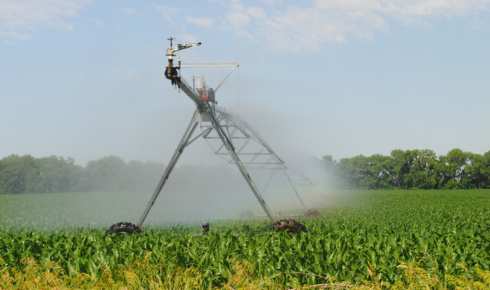
Modern farms rely on many types of irrigation systems, from drip lines and sprinklers to centre pivots, flood irrigation, and custom setups designed around specific land conditions. Each method has its strengths, but every one of them depends on clean, consistent, properly managed water.
If water carries too much sediment, fine filters and emitters can clog. If mineral levels are high, scale can form inside pipes and nozzles. If pressure is uneven, some areas may get more water than they need while others stay thirsty. Even small inefficiencies can become expensive when they are repeated across a large field, day after day.
The best irrigation setup is not always the fanciest. It is the one that fits the land, crop, water source, and working routine of the farm. A system should feel practical, not precious. Farmers need equipment that can handle real weather, real labour schedules, and the occasional rough day when nothing goes according to plan.
Healthy Crops Need Balanced Support
Water plays a direct role in plant growth, nutrient movement, temperature regulation, and root development. If water quality is poor, it can affect how crops take up nutrients or how soil holds moisture. That can make even good fertiliser programmes less effective.
This is where crop protection becomes more than pest control or disease management. It also means protecting the growing environment. Clean, suitable water helps reduce stress on plants, supports better nutrient use, and lowers the risk of preventable issues caused by poor water conditions.
A stressed crop is more vulnerable. It may struggle in heat, recover slowly after weather changes, or respond poorly to feeding. When water quality is managed properly, plants often have a stronger foundation to work from. No, water treatment will not fix every problem in farming. Nothing does. But it can remove one major source of avoidable stress.
The Nitrate Question Farmers Should Not Ignore
Nitrates are common in agricultural areas, especially where fertiliser use, manure management, drainage patterns, and groundwater movement all overlap. Some nitrate presence may be expected, but high levels can create concerns for drinking water, livestock use, and certain crop management situations.
Testing is the first step. Guessing is not good enough when water quality affects both productivity and safety. If nitrate levels are too high, professional advice can help determine whether treatment, blending, source changes, or management adjustments are needed.
For farms using private wells or water supplies that serve both household and agricultural needs, high nitrates removal may become an important part of a wider water treatment plan. The right solution depends on the nitrate level, daily water demand, flow rate, and how the treated water will be used. It is not something to solve with a random filter picked from a shelf.
Equipment Needs Protection Too
Poor water does not only affect plants. It can wear down equipment. Pumps, valves, filters, sprayers, tanks, pipes, and emitters all suffer when water carries heavy sediment or minerals. A small clog in a drip line can create uneven watering. Scale inside a pipe can reduce flow. Sediment in a pump can shorten its working life.
Regular maintenance helps, but maintenance works best when water issues are understood early. Filters should be checked, lines flushed, pressure monitored, and water tested when conditions change. A farm that knows its water has a better chance of preventing breakdowns instead of reacting to them.
And honestly, reacting is rarely fun in farming. Problems have a bad habit of showing up during the busiest week.
Planning Water Around the Whole Farm
Good water management should look at the whole property, not just one field or one tank. Where does the water come from? How far does it travel? What is the pressure like at different points? Is storage enough for peak demand? Does water quality change by season? Are crops, livestock, and household use competing for the same supply?
These questions help build a practical plan. Sometimes the answer is filtration. Sometimes it is better storage. Sometimes it is testing, pressure adjustment, line upgrades, or a new treatment system. Often, it is a combination of smaller improvements that together make the farm run more smoothly.
Water Is a Long-Term Farming Decision
Every season teaches something. Some lessons come from weather. Some from markets. Some from soil. And some from water. The farms that pay attention to water quality and delivery usually put themselves in a stronger position, not because everything becomes perfect, but because fewer problems are left to chance.
Clean, consistent water supports healthier crops, better equipment life, and more predictable daily work. It may not be the most glamorous part of agriculture, but it is one of the most important.
A good harvest never depends on one thing alone. Still, when the water is right, so much else has a better chance of going right too.